.avif)
.avif)


.png)
In a world increasingly conscious of environmental impact, sustainable practices are becoming more than just a trend—they're a necessity. Water-wise landscaping, xeriscaping with turf, and sustainable landscaping are emerging as key solutions to conserve water and reduce carbon emissions. One particularly innovative approach gaining traction is landscaping with artificial turf. Read on to find out why this method is not only environmentally friendly but also practical and beneficial.
The Water-Wise Revolution: Xeriscaping with Turf
Water scarcity is a pressing issue in many regions, urging homeowners and businesses to rethink traditional landscaping methods. Xeriscaping, which focuses on minimizing water usage in landscaping, is gaining popularity as a solution. Artificial turf fits seamlessly into this approach by eliminating the need for excessive watering associated with natural grass lawns.
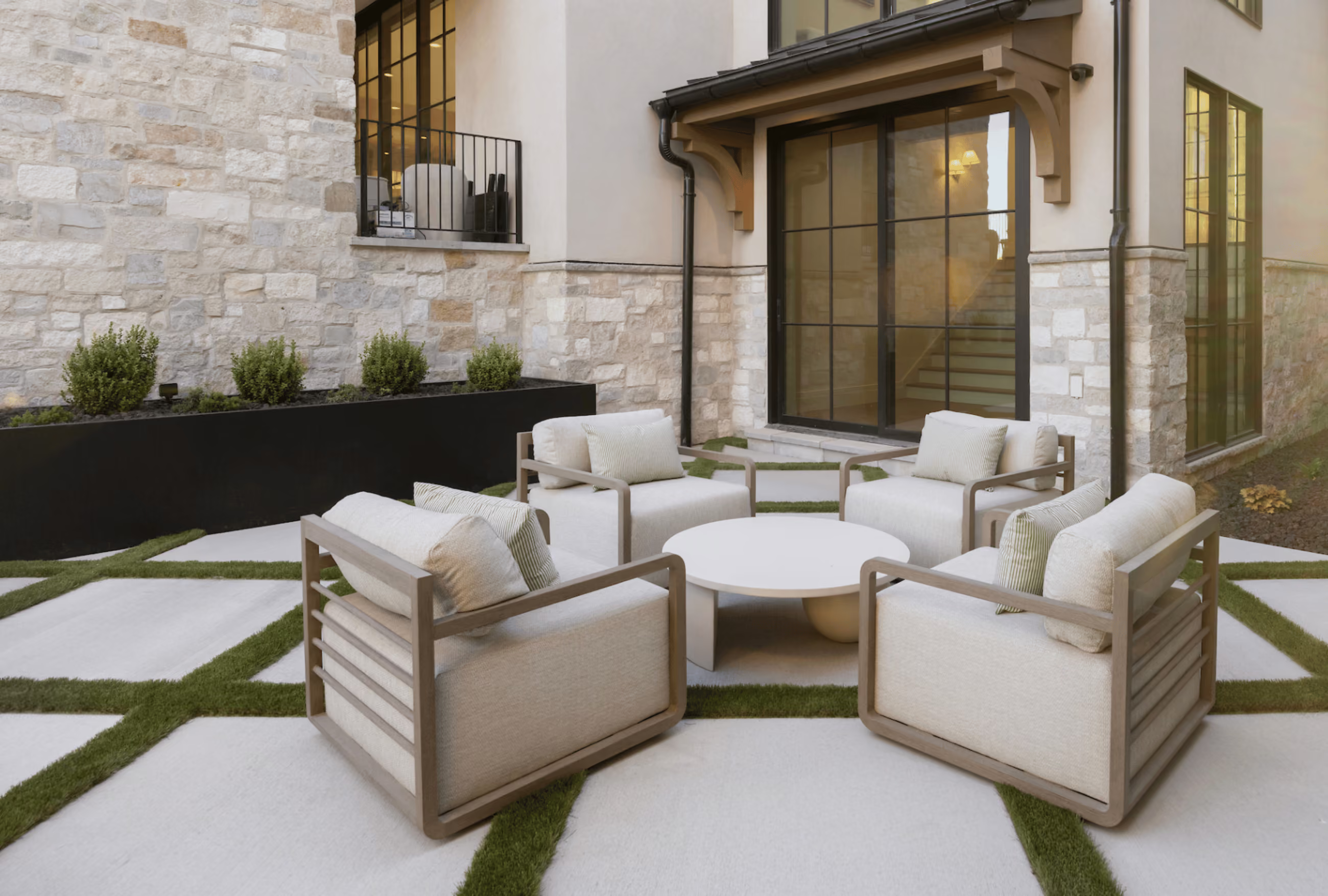
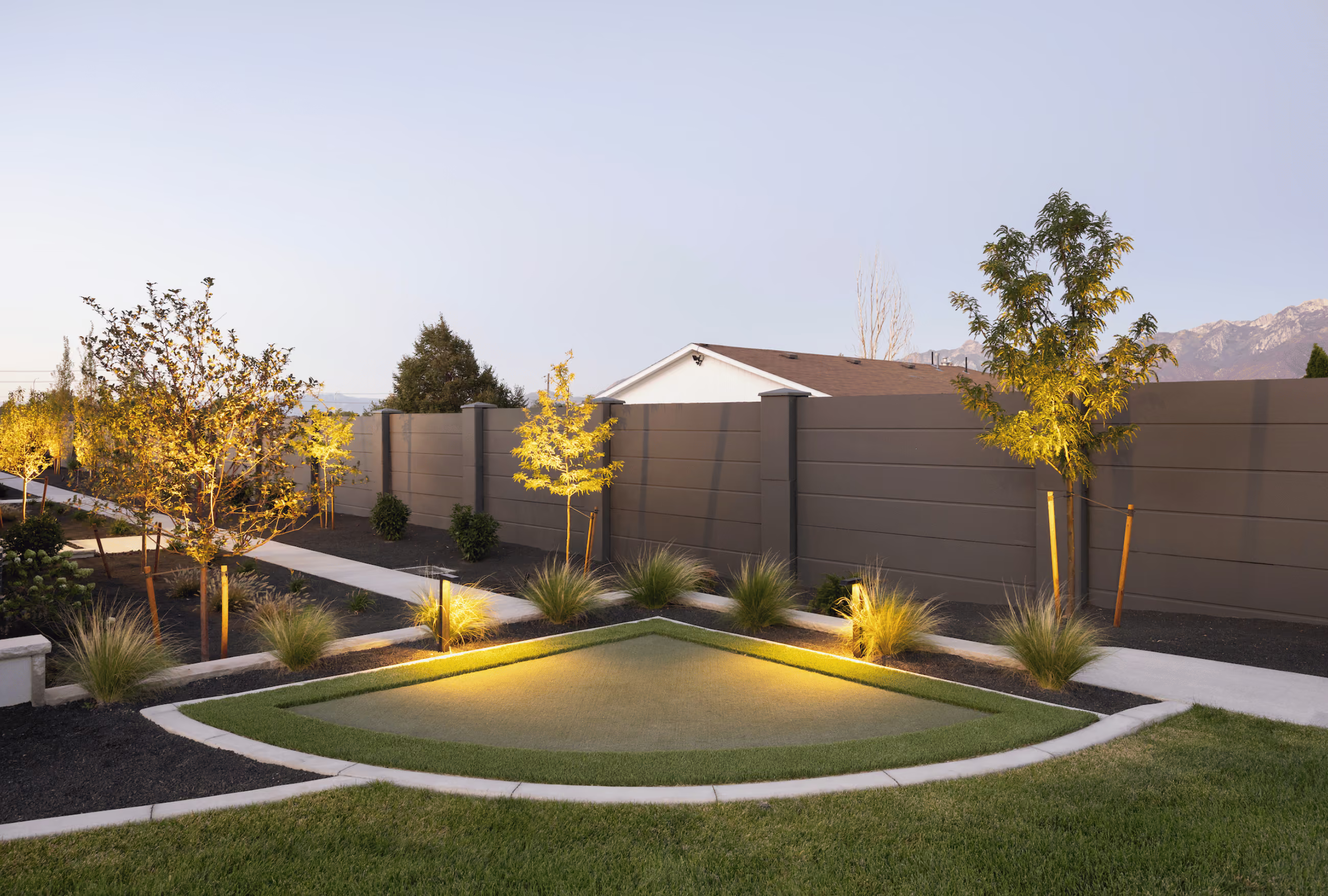
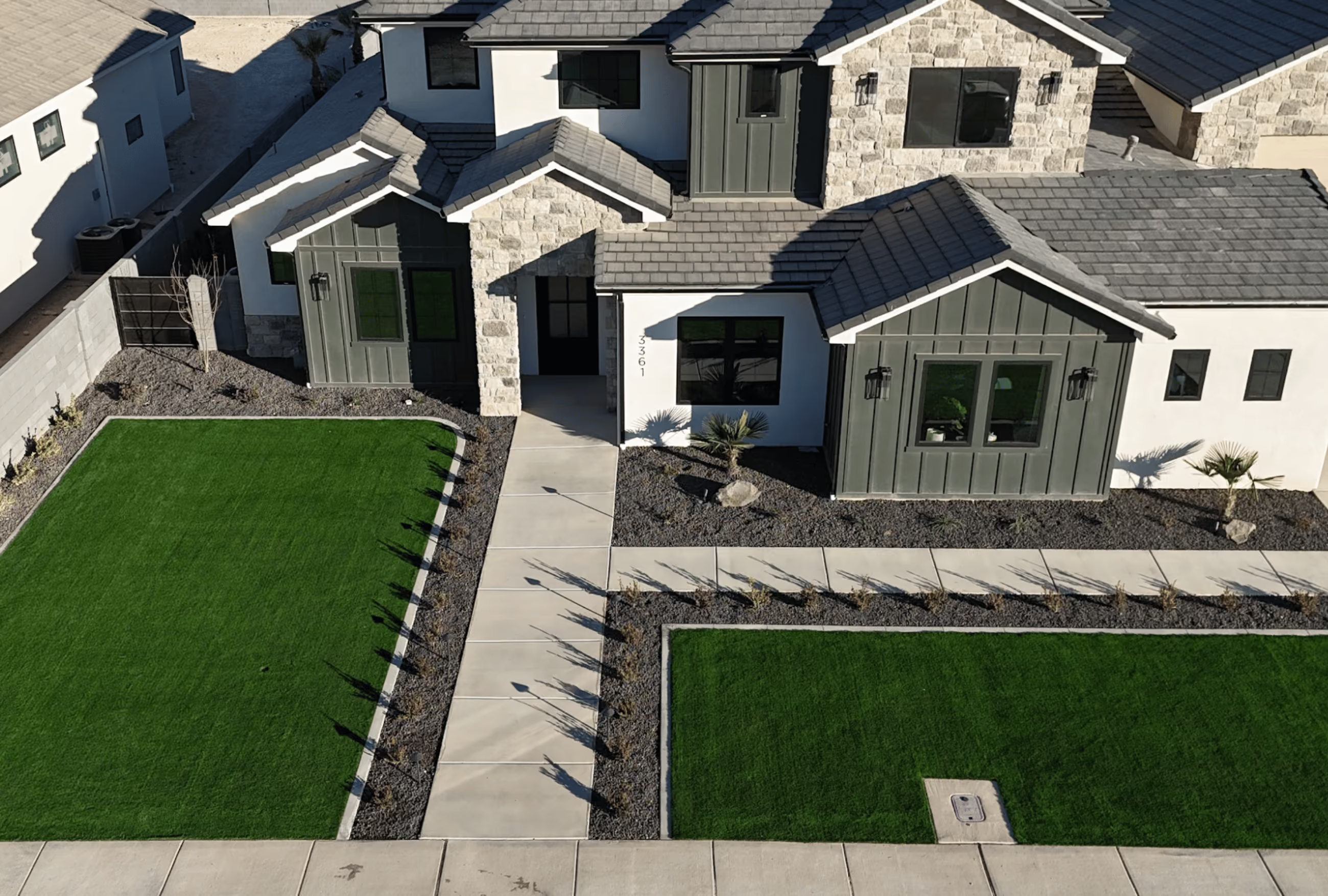
By opting for landscaping with artificial turf, individuals contribute significantly to water conservation efforts without sacrificing the aesthetic appeal of their outdoor spaces. Unlike natural grass, which demands regular watering to maintain its lush appearance, artificial turf remains verdant year-round with minimal water requirements.
Sustainable Landscaping: The Role of Artificial Turf
Sustainability encompasses more than just water conservation; it also involves reducing carbon emissions and promoting eco-friendly practices. Landscaping with artificial turf aligns perfectly with these goals.
One notable environmental benefit of artificial turf is its minimal carbon footprint compared to natural grass. Traditional lawn maintenance, including mowing, fertilizing, and watering, often relies on gas-powered equipment and chemical inputs, contributing to greenhouse gas emissions. In contrast, artificial turf requires none of these resources, resulting in a significant reduction in CO2 emissions over its lifespan.
Preservation of Biodiversity With Artificial Turf
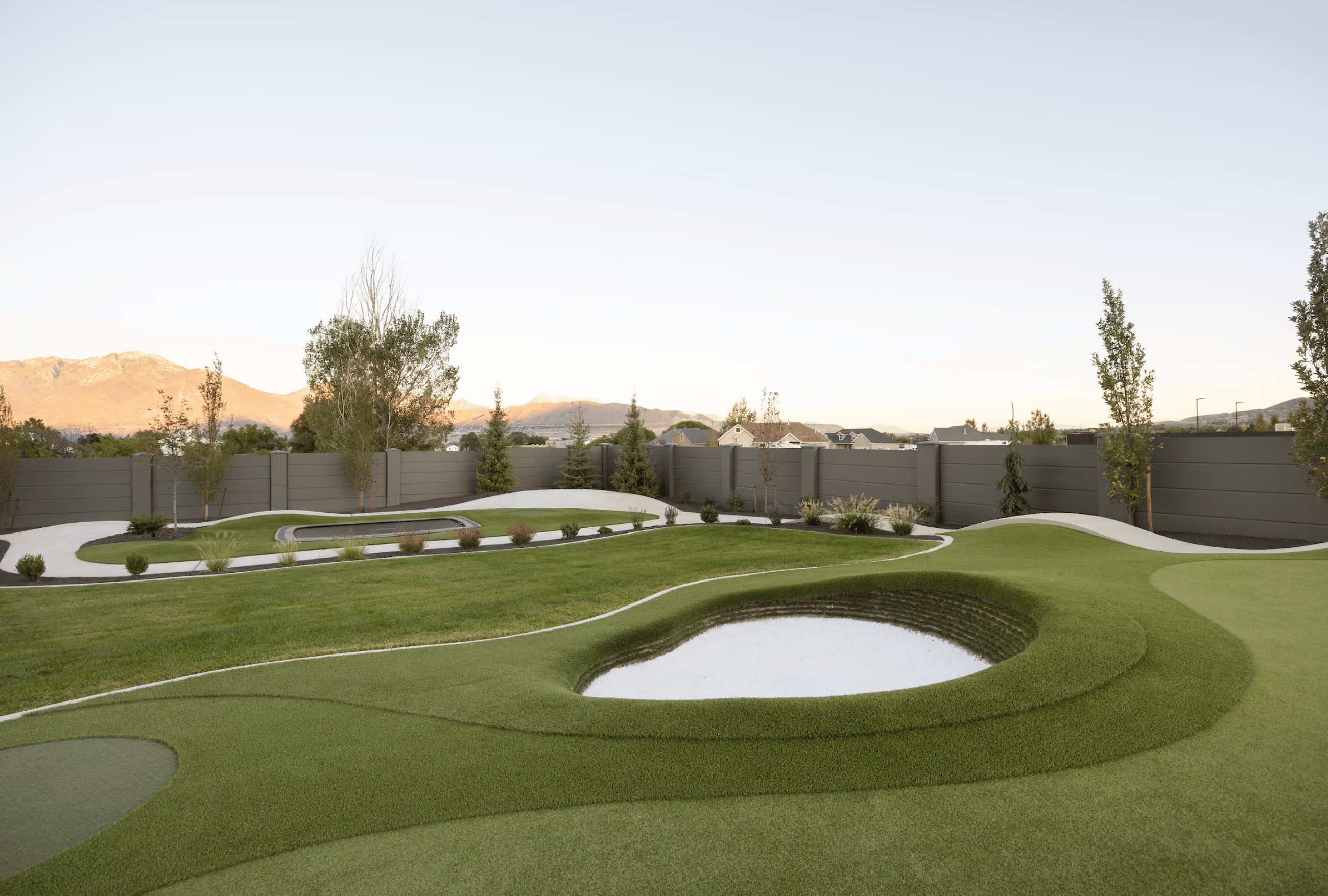
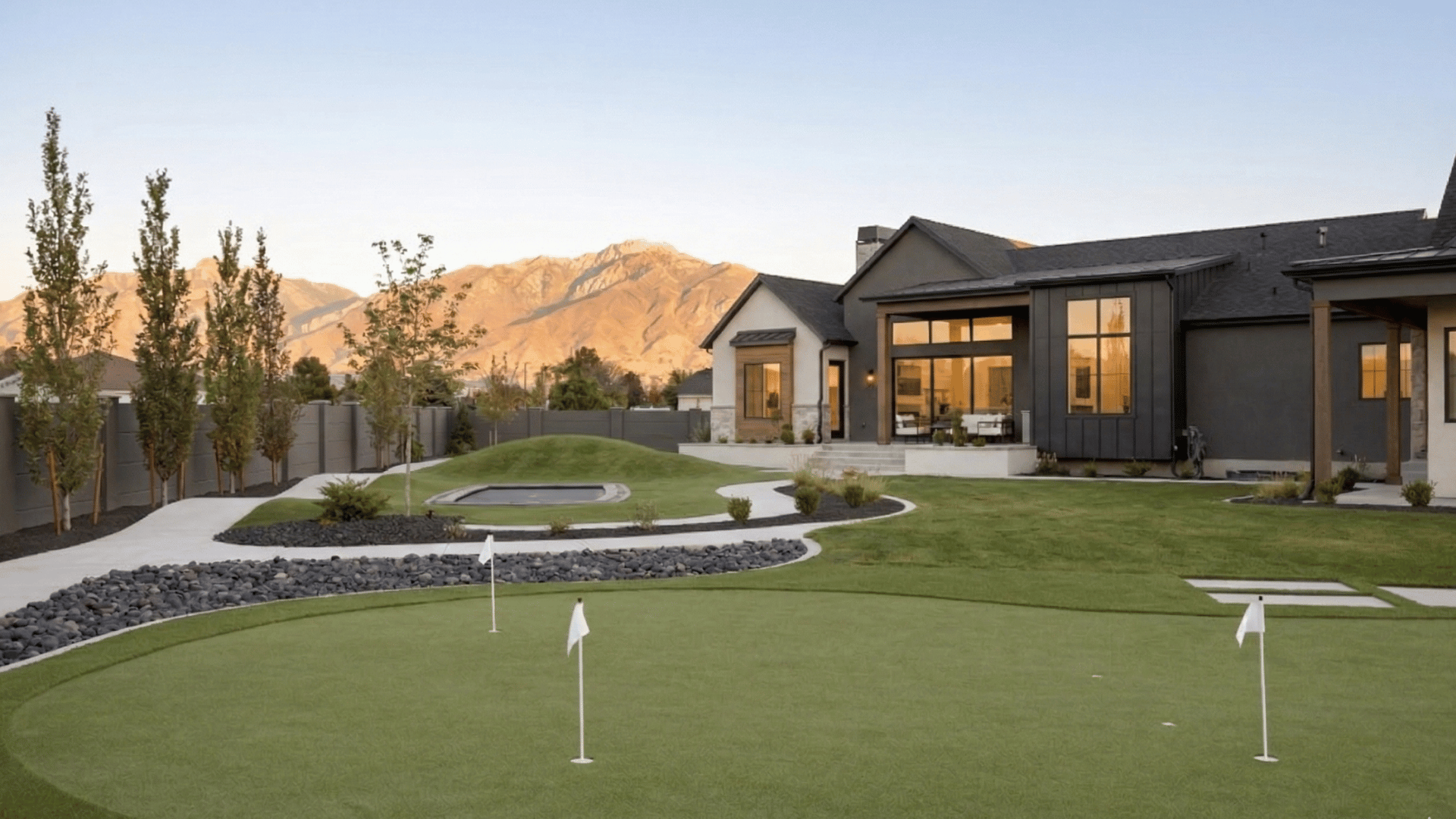
Natural grass lawns typically offer limited biodiversity compared to native landscapes. By replacing traditional lawns with artificial turf, homeowners and businesses have the opportunity to design landscapes that support a more diverse range of plant and animal species. Incorporating native plants alongside artificial turf can create habitats for pollinators, birds, and other wildlife, contributing to overall ecosystem health and resilience.
Landscaping with Less Water, More Efficiency
Efficiency is key in sustainable landscaping, and artificial turf delivers on multiple fronts. Beyond water conservation and carbon footprint reduction, it offers long-term durability and low maintenance requirements.
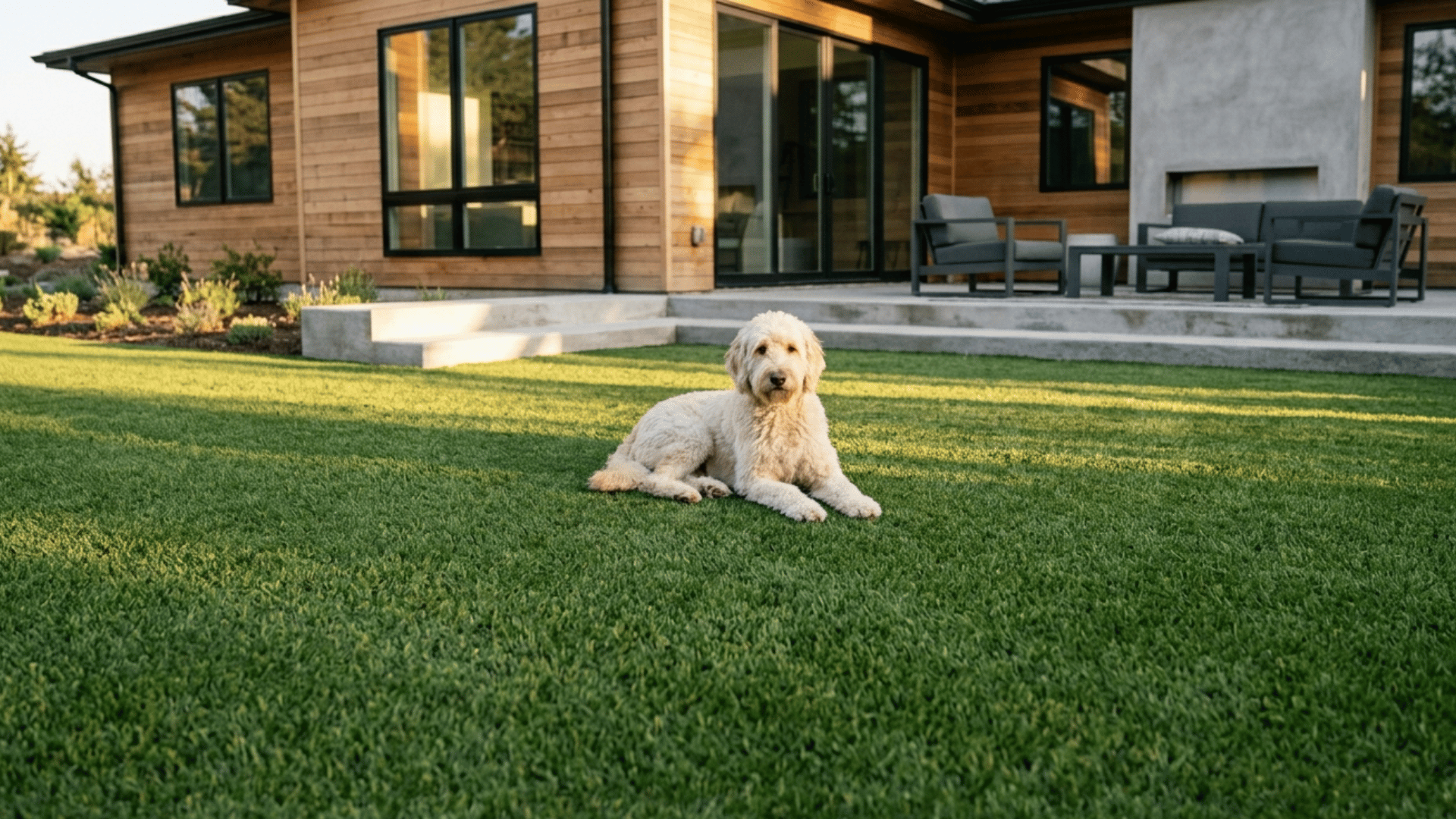
Unlike natural grass, which can require extensive upkeep such as mowing, edging, and fertilizing, artificial turf remains consistently lush with minimal effort. This not only saves time and labor but also reduces the need for environmentally harmful chemicals commonly used in lawn care.
Is Landscaping Without Water For You?
In the quest for sustainability, every choice matters. Landscaping with artificial turf presents a compelling solution for reducing water usage, cutting CO2 emissions, and promoting eco-friendly practices. Whether as part of xeriscaping initiatives or simply as a practical choice for water-wise landscaping, artificial turf offers a versatile and sustainable alternative to traditional grass lawns.
By embracing landscaping with artificial turf, individuals and communities alike can make a tangible impact on environmental conservation while enjoying beautiful, low-maintenance outdoor spaces for years to come.

.png)