.avif)
.avif)


Desert living comes with its own unique landscaping challenges: scorching summers, water restrictions, and soil that seems determined to turn everything brown. If you're tired of watching native grasses struggle or spending precious water resources on a lawn that barely survives, artificial turf styles for desert yards might be exactly what your outdoor space needs.
Understanding Desert Landscaping Needs
Desert landscaping requires a different mindset than traditional yards. Water conservation isn't just eco-friendly–it's essential. That's where drought-tolerant turf becomes a game-changer. The best synthetic grass for desert landscaping addresses specific challenges: extreme temperature fluctuations, intense UV exposure, minimal rainfall, and sandy soil conditions that make natural grass maintenance nearly impossible.
A modern artificial lawn for arid regions has evolved far beyond the old-school green carpet look. Today's options are designed specifically for desert climates, offering realistic aesthetics that complement xeriscaping and desert-native plants while drastically reducing water consumption and maintenance headaches.
Choosing the Right Desert Landscaping Turf
When selecting artificial grass for dry landscapes, several style factors come into play. Blade color is crucial. You want turf that looks natural against desert tones. Many homeowners are discovering that beige-tipped turf blade varieties create stunning visual harmony with sandy yards and rock features. These multi-toned options include brown, tan, and golden hues woven into green bases, mimicking how natural grass behaves in arid conditions.
Texture matters too. Look for turf with varied blade heights and a slight curl or wave: this creates depth and prevents that artificial "plastic" appearance. The goal is to achieve a natural desert aesthetic that feels cohesive with your surrounding landscape.
Performance Features for Arid Climate Turf
Not all desert synthetic grass options are the same. For desert landscaping with artificial turf, prioritize these performance features:
- Heat resistance: Quality arid climate turf includes UV stabilizers and cooling technologies to prevent excessive heat absorption. Some products feature reflective properties that can actually reduce surface temperatures compared to natural grass or hardscaping.
- Drainage: Desert storms may be infrequent, but when they hit, they're intense. Ensure your turf has excellent permeation rates (at least 30 inches per hour) to handle flash flooding without pooling.
- Durability: Desert sun is relentless. Choose turf with high-grade polyethylene or nylon fibers that won't fade, crack, or deteriorate under constant UV exposure.
Creating Your Low-Maintenance Desert Turf Oasis
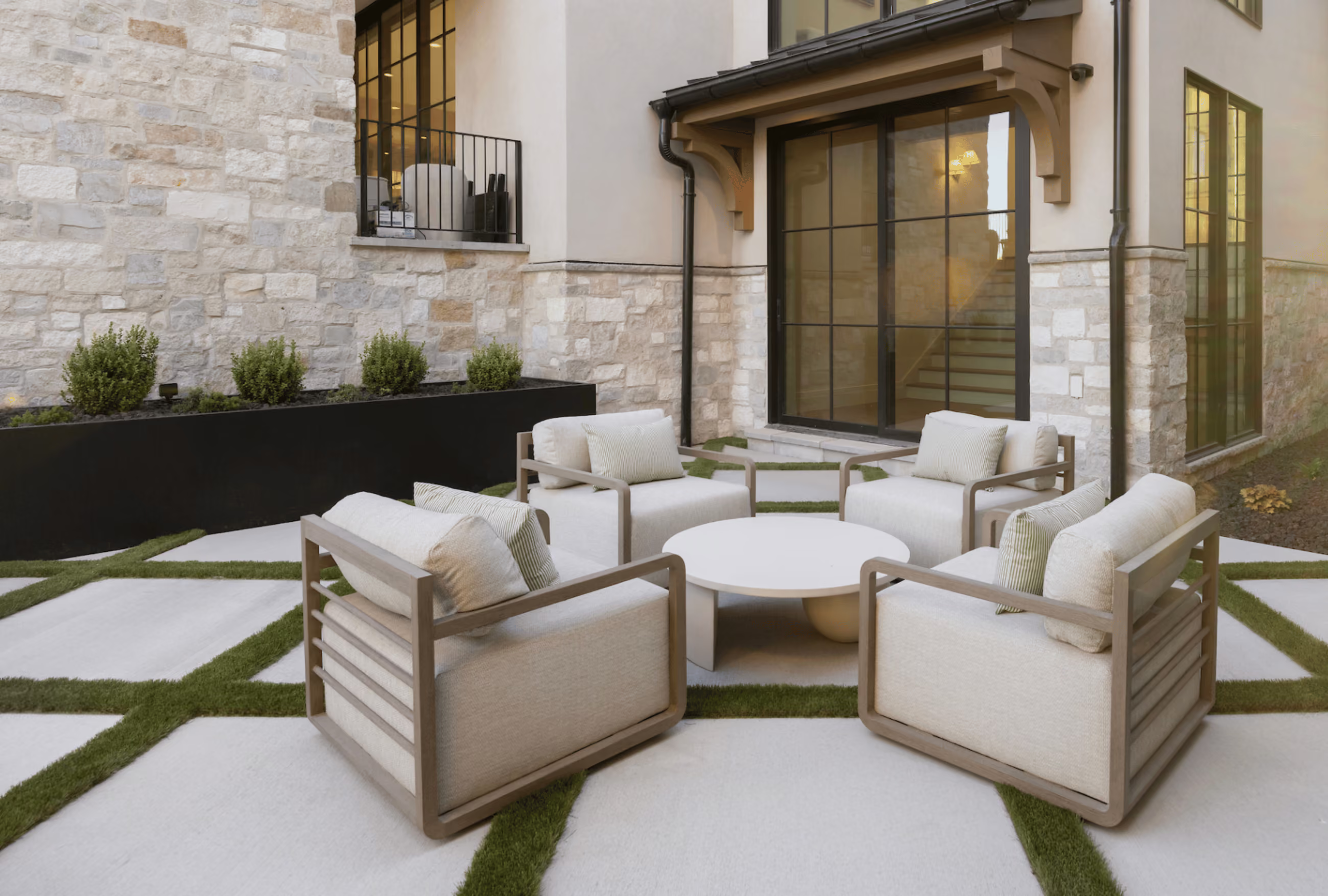
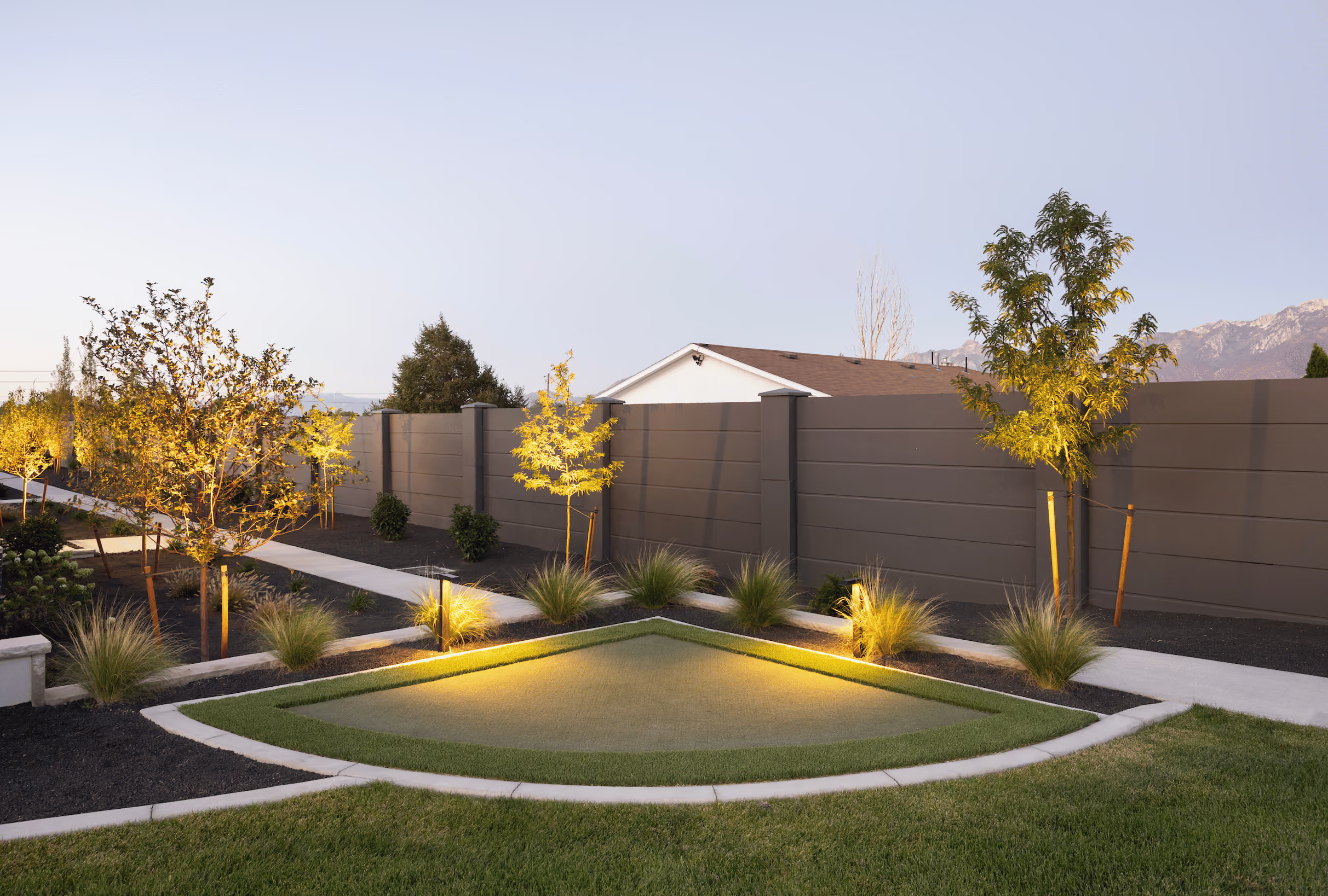
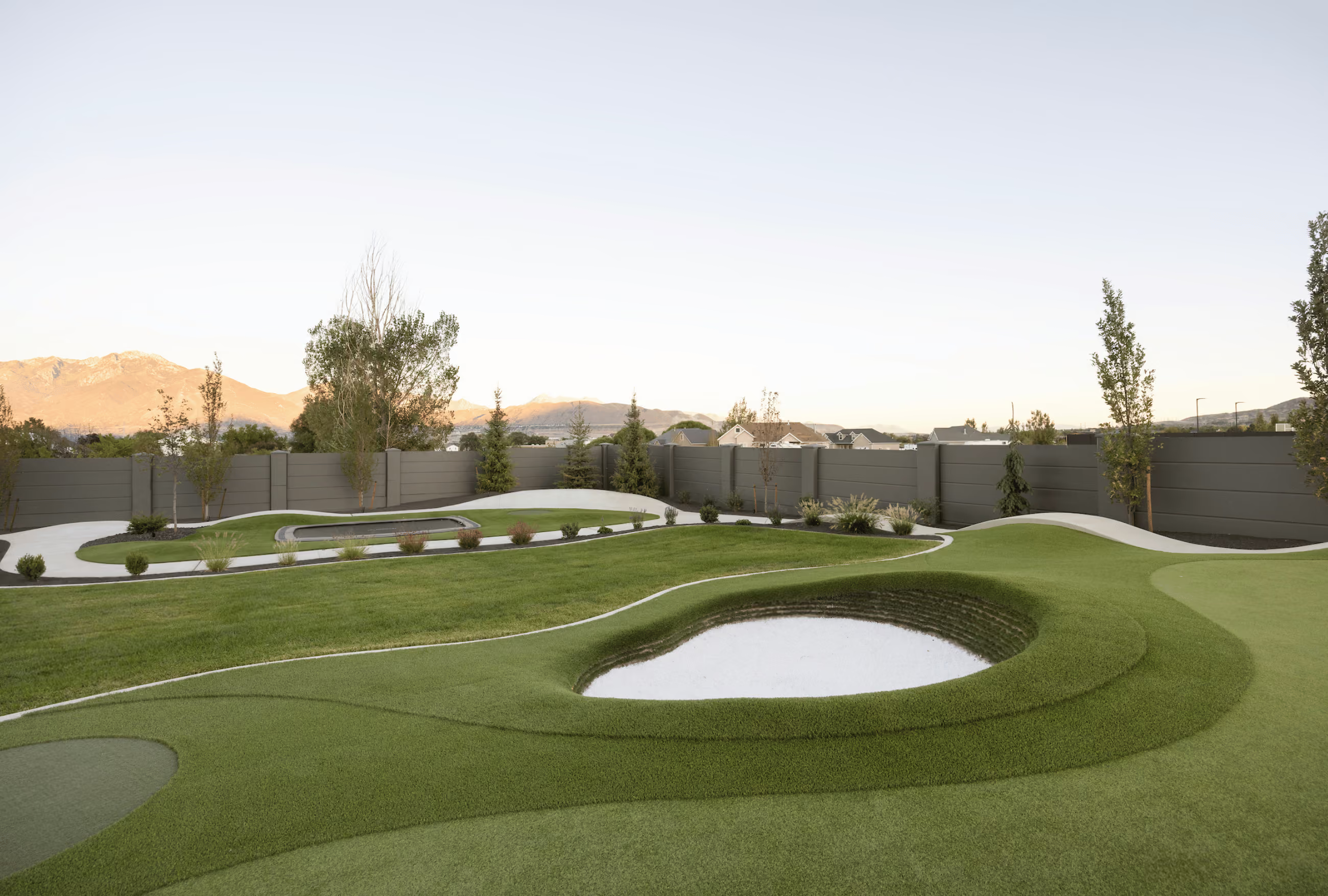
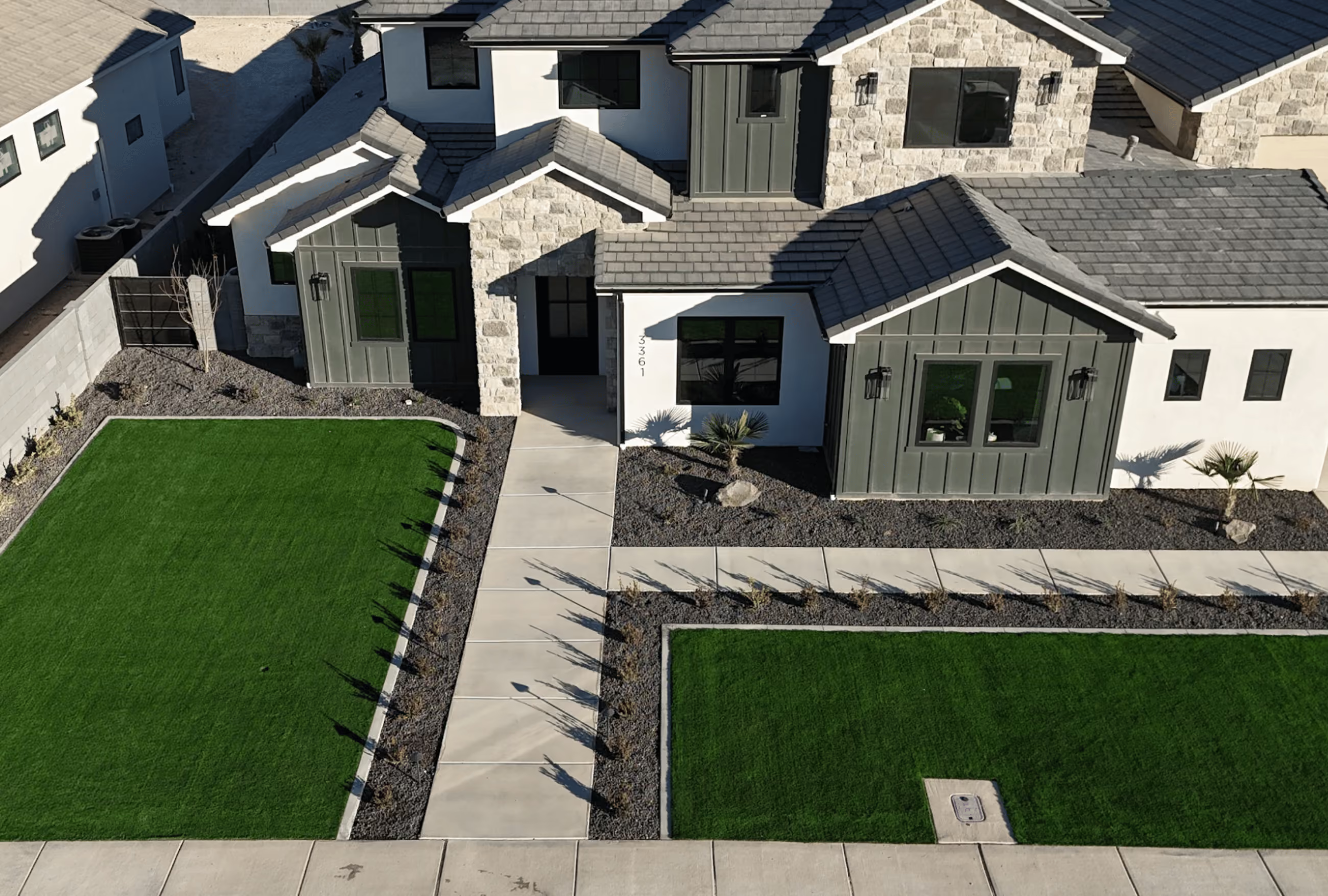
The beauty of desert landscaping turf is how it integrates with other design elements. Pair your artificial lawn for arid regions with native plants, decorative rock borders, and desert hardscaping for a truly stunning outdoor space. Consider mixing turf zones with decomposed granite pathways or creating green islands surrounded by drought-resistant plantings.
Considerations to keep in mind: While artificial turf eliminates watering and mowing, it does require occasional rinsing to remove dust and debris, though this uses far less water than maintaining natural grass. Initial installation costs are higher than sod, but you'll recoup the investment through eliminated water bills and maintenance expenses.
FAQs
What turf styles best mimic desert flora?
Beige-tipped and multi-tone blends with brown and tan accents create the most natural desert appearance.
How do soil temperatures affect turf blade color?
Higher soil temperatures can cause some lower-quality turf to fade; choose UV-stabilized products specifically rated for extreme heat.
Can turf reduce ground heat in desert environments?
Yes—quality turf with cooling technology can be 30-50°F cooler than pavers or concrete, though slightly warmer than natural grass during peak summer.
How long does artificial turf last in desert climates?
With proper installation and care, high-quality desert turf typically lasts 15-20 years, even under intense sun exposure.
Transform Your Desert Landscape Today
Ready to explore how low-maintenance desert turf can reimagine your outdoor space? At Elite Turf Supply, we specialize in helping Utah and Idaho homeowners find the perfect artificial grass solutions for dry landscapes. Our team understands the unique challenges of desert environments and can guide you through selecting turf styles that complement your vision while standing up to harsh arid conditions. Contact us today for expert advice, competitive wholesale pricing, and all the supplies you need to create your dream desert oasis.

.jpg)