.avif)
.avif)


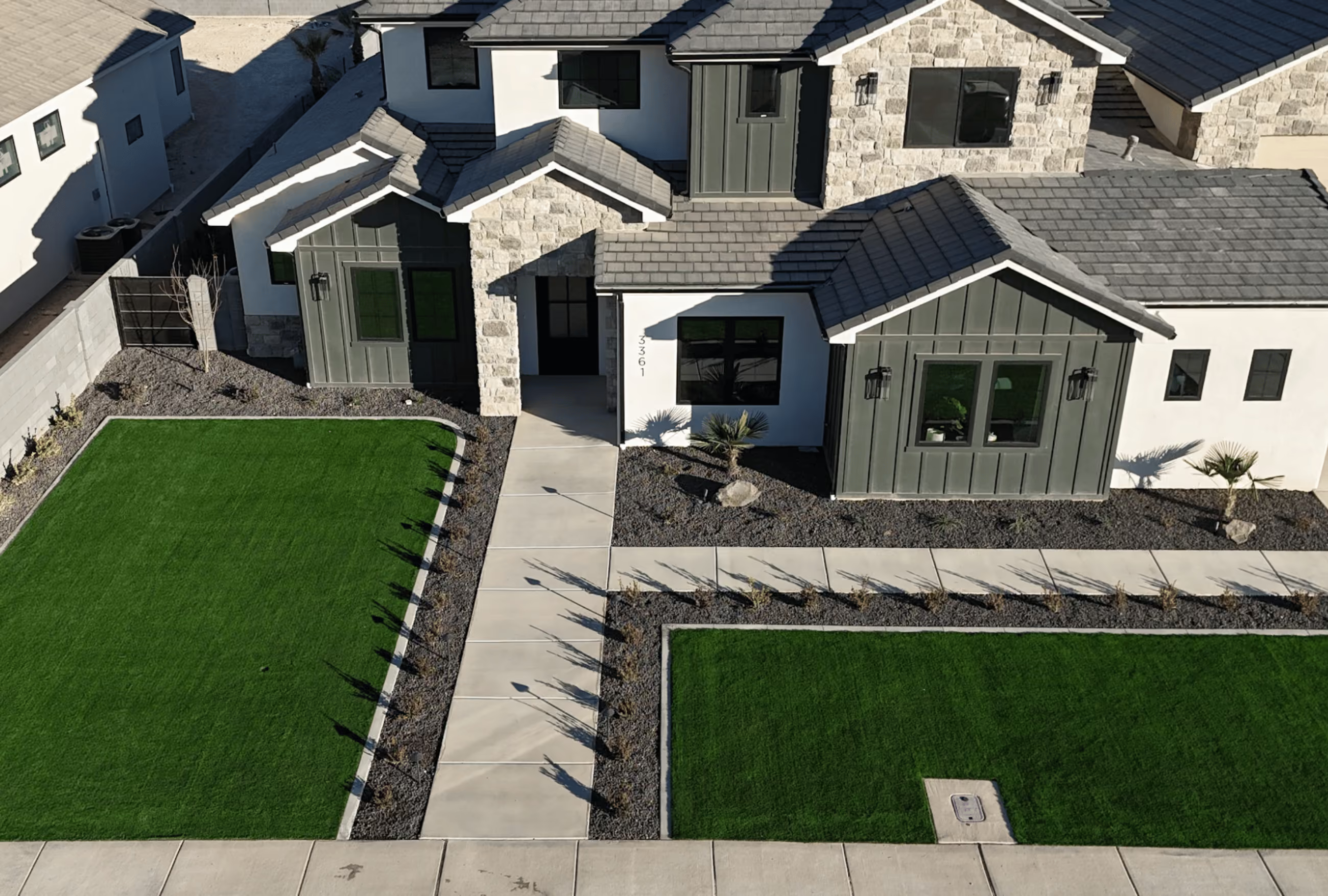
When you're investing in artificial turf for your Utah or Idaho property, proper drainage planning isn't just recommended, but essential. Whether you're installing synthetic grass drainage systems around your home's foundation or planning a backyard oasis, understanding how water moves through and around your turf can save you from costly headaches down the road.
Why Artificial Turf Drainage Matters for Your Property
Poor landscaping and drainage can lead to water pooling, foundation damage, and even premature turf deterioration. Unlike natural grass that absorbs water through roots and soil, artificial turf drainage relies on a carefully designed base system and proper grading to channel water away from structures. The good news? Modern turf drainage solutions are highly effective when implemented correctly.
Quality artificial turf features a perforated backing that allows water to drain at rates of 30+ inches per hour, far exceeding typical rainfall intensity. However, this impressive drainage capability only works when the underlying base is properly prepared with adequate slope and materials.
Managing Drainage for Artificial Grass Areas
Proper Installation Starts with the Base
The foundation of effective fake grass drainage involves:
- A compacted aggregate base (typically crushed stone or decomposed granite)
- Proper grading with a minimum 2-3% slope away from structures
- Adequate perimeter drainage to direct water flow
- Permeable weed barrier to prevent base contamination
Addressing Common Drainage Challenges
Clay-heavy soils common in Utah and Idaho require special attention. Consider installing French drains or channel drains around the perimeter of your astroturf drainage system, especially near home foundations. These landscaping drainage solutions collect and redirect water to appropriate drainage points, preventing saturation and foundation issues.
Integrating Smart Irrigation with Turf Installations
While artificial turf dramatically reduces water needs, surrounding landscaping still requires irrigation. This is where smart irrigation with turf creates a winning combination. Modern controllers can zone your property, delivering water only where natural plants exist while conserving water with synthetic grass areas.
Water-Efficient Landscaping Benefits:
- Reduce outdoor water use by up to 70%
- Maintain lush landscaping without overwatering
- Protect your investment with targeted moisture control
An artificial turf watering system might seem contradictory, but occasional rinsing helps manage dust and pet waste. Smart controllers ensure you're not wasting water: a few minutes monthly is typically sufficient.
Frequently Asked Questions
Do I need an irrigation system if I have artificial turf?
Not for the turf itself! One of artificial turf's biggest advantages is eliminating regular watering. However, if you have surrounding plants, trees, or garden beds, you'll want smart irrigation to efficiently water those natural areas while avoiding your synthetic grass. Many homeowners install zoned systems that completely bypass turf sections.
How do smart irrigation systems work with artificial grass?
Smart irrigation controllers use weather data, soil sensors, and customizable zones to deliver water only where needed. When integrated with artificial turf installations, these systems are programmed to recognize turf zones as "no water" areas or minimal-water zones, ensuring you're conserving water with synthetic grass while maintaining healthy natural landscaping elsewhere on your property.
Does artificial turf require any water at all?
Minimal amounts. While synthetic grass drainage eliminates the need for regular watering, occasional rinsing (every few weeks or monthly) helps remove dust, pollen, and pet waste, keeping your turf fresh and clean. In most climates, natural rainfall handles this. For covered areas or during dry spells, a quick rinse lasting just minutes is sufficient, representing a 95%+ reduction compared to natural grass watering requirements.
Making the Smart Choice
Proper turf drainage solutions protect both your home and your investment. When you choose Elite Turf Supply, you're partnering with experts who understand Utah and Idaho's unique climate challenges and can guide you toward the best installation practices for your specific property.
The combination of quality materials, professional installation techniques, and thoughtful integration with existing landscaping and drainage systems ensures your artificial turf will perform beautifully for years to come, without the maintenance headaches of natural grass.


.jpg)