.avif)
.avif)




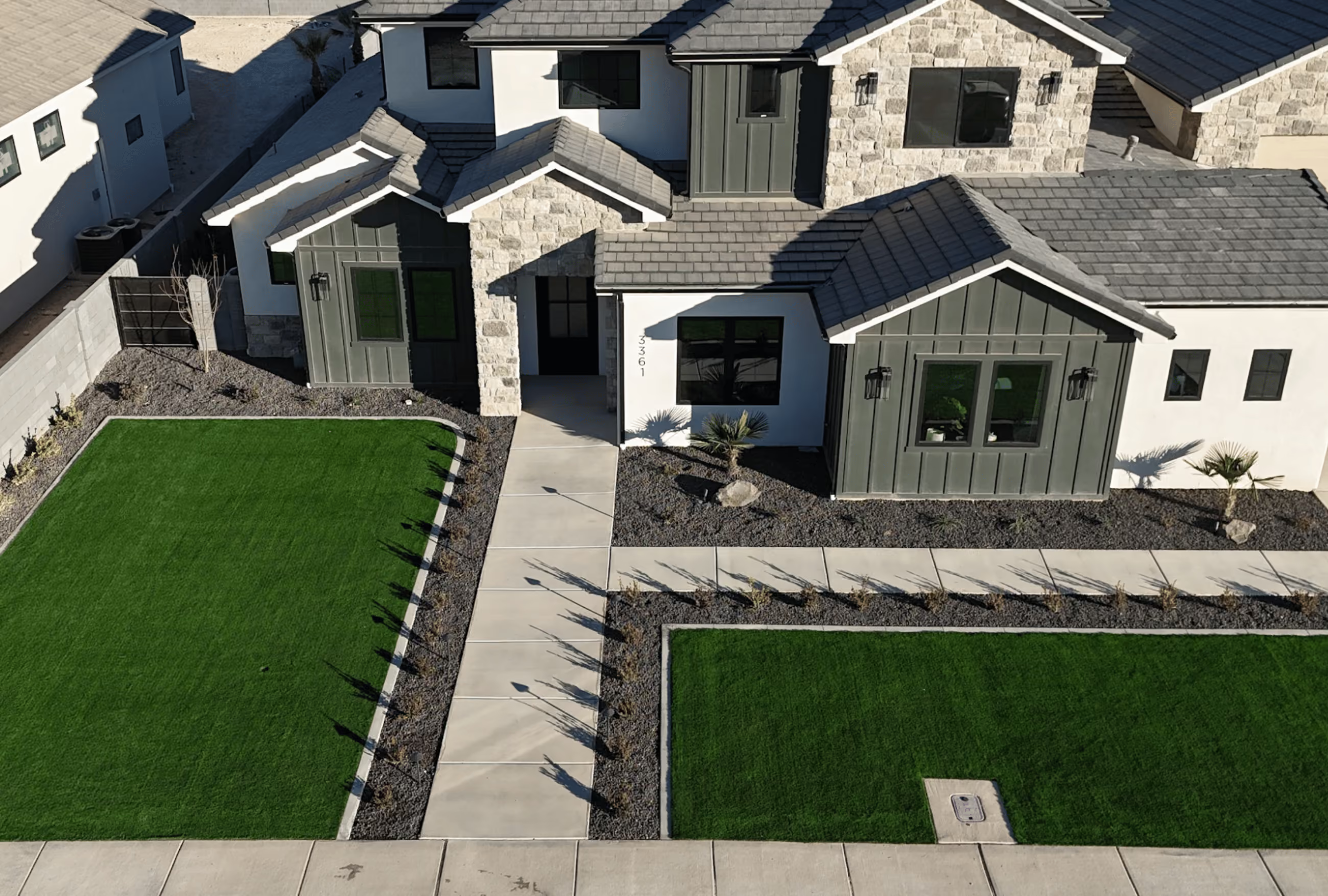
Artificial turf can completely change the way a yard looks, feels, and functions. It can create a cleaner space for pets, a low-maintenance backyard, a premium putting green, a safer play area, or a polished front yard that stays green through Utah’s hot, dry summers.
But the turf product is only part of the result.
The installation is what determines whether the turf drains correctly, lays flat, looks natural, holds its edges, handles foot traffic, controls pet odor, and performs well over time.
A high-quality turf product can still look cheap if it is installed poorly. A lower-quality installation can lead to wrinkles, visible seams, soft spots, drainage problems, odor issues, weeds, uneven surfaces, and a yard that never looks as finished as it should.
That is why professional artificial turf installation matters.
At Elite Turf Supply, we help homeowners, contractors, landscapers, commercial properties, DIY customers, pet owners, putting green customers, playground projects, and pool area projects choose the right turf and the right installation plan for the way the space will actually be used.
Quick Answer: Is Professional Turf Installation Worth It?
Yes, professional turf installation is worth it for most homeowners because artificial turf performance depends on proper base prep, grading, drainage, seams, infill, edging, and product selection.
Artificial turf is not just rolled out over dirt and nailed down. A proper installation requires planning, excavation, compacted base material, drainage, seam layout, secure edges, infill, and final grooming.
The turf you see on top matters, but the work underneath is what makes the project last.
The Turf Product Matters, But the Installation Makes It Perform
Most homeowners focus first on how the turf looks.
That makes sense. Color, softness, blade shape, pile height, density, and realism all matter. The turf should look good and feel right for the space.
But once the project is installed, the product is only one part of the system.
A complete turf installation includes:
• Turf product selection
• Site preparation
• Removal of existing grass or material
• Excavation
• Base material
• Compaction
• Grading
• Drainage planning
• Weed barrier when appropriate
• Seam layout
• Cutting and shaping
• Edge securing
• Infill installation
• Final brushing and grooming
If any of those steps are rushed or skipped, the final result can suffer.
That is why two yards with the same turf product can look completely different. One may look clean, flat, natural, and finished. The other may look wavy, uneven, loose, or poorly blended into the rest of the landscape.
The difference is usually installation quality.
What Can Go Wrong With a Bad Turf Installation?
Poor turf installation can create problems that are expensive, frustrating, and difficult to fix later.
Some of the most common issues include:
• Poor drainage
• Wrinkles or waves in the turf
• Uneven surfaces
• Visible seams
• Turf pulling away from edges
• Soft spots or sinking areas
• Weeds growing around edges or seams
• Pet odor problems
• Low spots that collect water
• Poor transitions to concrete, pavers, or rock
• Turf grain facing the wrong direction
• Infill that is uneven or insufficient
• Putting greens that do not roll correctly
• A yard that looks fake instead of finished
Many of these issues start below the surface.
If the base is not compacted correctly, the turf may shift or settle. If the area is not graded properly, water may collect in the wrong places. If seams are not planned well, they may be easy to see. If a pet area is not built for drainage, odor can become a problem.
A professional installation helps prevent those issues before the turf is ever rolled out.
Base Prep Is One of the Most Important Parts of Turf Installation
A turf installation is only as good as the base underneath it.
The base is what creates the shape, stability, and drainage for the entire project. It supports the turf, helps prevent settling, and gives the finished surface a clean, level appearance.
Good base prep usually includes removing the existing lawn or surface, excavating to the proper depth, installing the right base material, compacting the base, grading the area, and preparing the surface for the turf.
If the base is not done correctly, the turf may look uneven even if the product itself is high quality.
Bad base prep can lead to:
• Uneven turf
• Low spots
• Poor drainage
• Puddling
• Soft areas
• Edges that move
• Premature wear
• Wrinkles and waves
• A less natural finished look
This is one of the biggest reasons professional installation matters. The base is not the most exciting part of a turf project, but it is one of the most important.
Drainage Matters, Especially for Pets, Pools, and Side Yards
Drainage is another part of turf installation that homeowners should take seriously.
Artificial turf does not absorb water like soil and grass. Water needs a place to go. A professional installer should understand how the area drains, where water should move, and whether the project needs extra drainage planning.
Drainage is especially important for:
• Pet turf
• Dog runs
• Side yards
• Pool areas
• Play areas
• Sloped yards
• Areas near patios or concrete
• Spaces with poor existing drainage
Pet turf needs special attention because urine and rinse water need to move through the system properly. Without good drainage, pet areas can develop odor problems.
Pool areas also need thoughtful drainage because water splash, foot traffic, and hardscape transitions can affect the way the surface performs.
Side yards are another common trouble spot. They are often narrow, shaded, and poorly drained. A professional installation can help turn those awkward spaces into clean, usable areas instead of muddy or patchy strips.
Seams and Edges Make or Break the Finished Look
Seams and edges are where many turf installations either look professional or look unfinished.
A good installer thinks through turf grain direction, seam placement, cut lines, curves, borders, and transitions before making cuts.
Poor seam work can make even premium turf look cheap.
A professional seam and edge plan should account for:
• Turf grain direction
• Viewing angles
• Traffic patterns
• Curves and corners
• Transitions to concrete
• Transitions to pavers
• Rock and landscape borders
• Playground or putting green shapes
• Pet area boundaries
• Long-term edge security
The goal is for the turf to look intentional and natural within the yard, not like separate pieces patched together.
Clean edges also matter because they help the turf stay secure over time. If edges are not properly fastened, they can lift, move, or become uneven.
Infill Affects Comfort, Stability, and Performance
Infill is the material placed into the turf after installation. It helps support the turf blades, adds weight and stability, and can affect how the surface feels and performs.
The right infill depends on the type of project.
A pet area may need a different infill than a front yard. A putting green requires a different system than a playground. A high-traffic commercial area has different needs than a decorative side yard.
Infill can affect:
• Blade support
• Surface stability
• Foot feel
• Drainage performance
• Pet area maintenance
• Putting green speed
• Long-term appearance
• Turf movement
• Heat and comfort considerations
Choosing the wrong infill, using too little infill, or installing it unevenly can affect the finished result.
Different Turf Projects Need Different Installation Plans
Artificial turf is not a one-size-fits-all product, and it should not be installed with a one-size-fits-all process.
A pet area should not be installed the same way as a putting green. A putting green should not be planned like a front yard. A pool surround has different needs than a playground. A commercial space has different traffic demands than a backyard.
Here are a few examples.
Landscape Turf
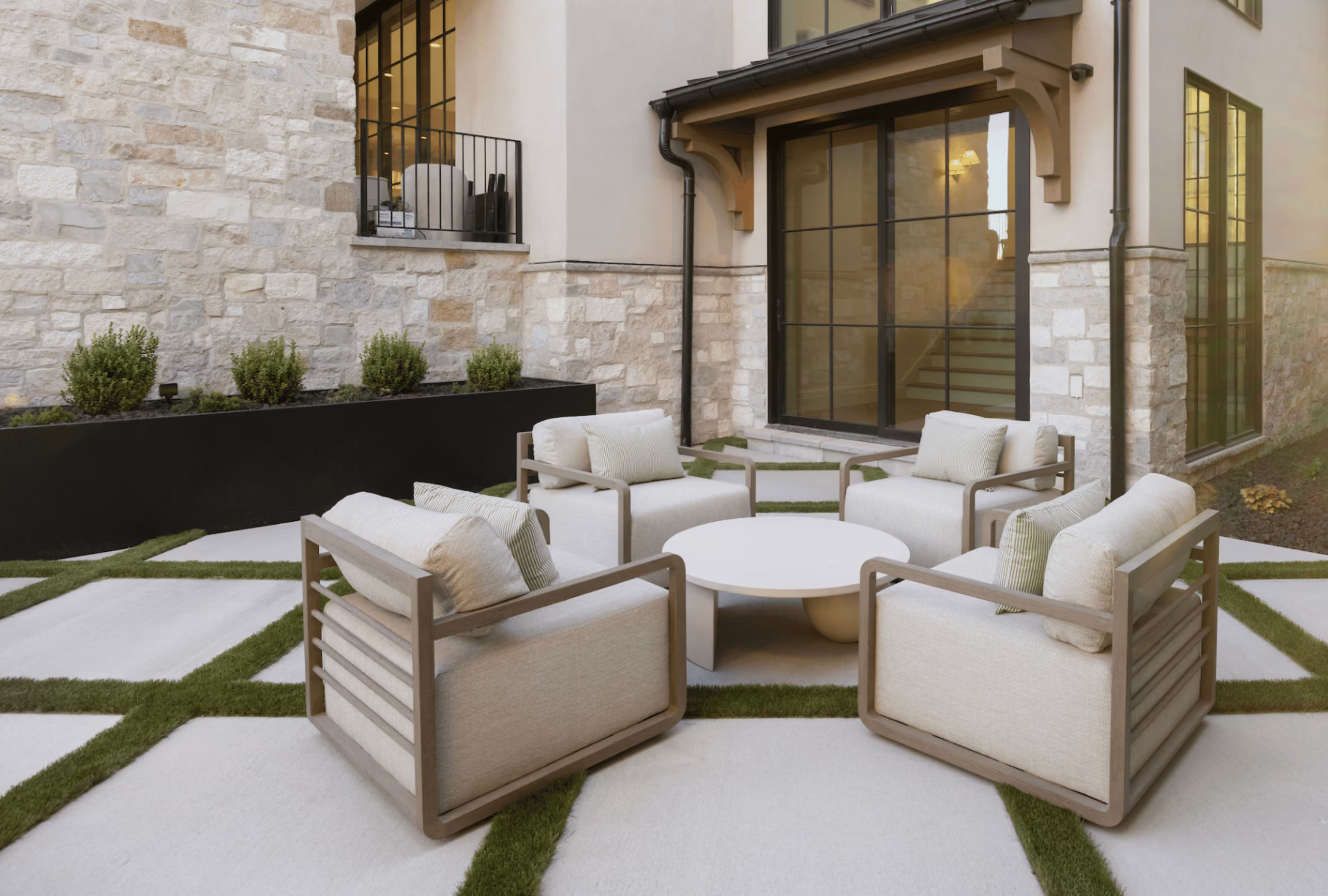
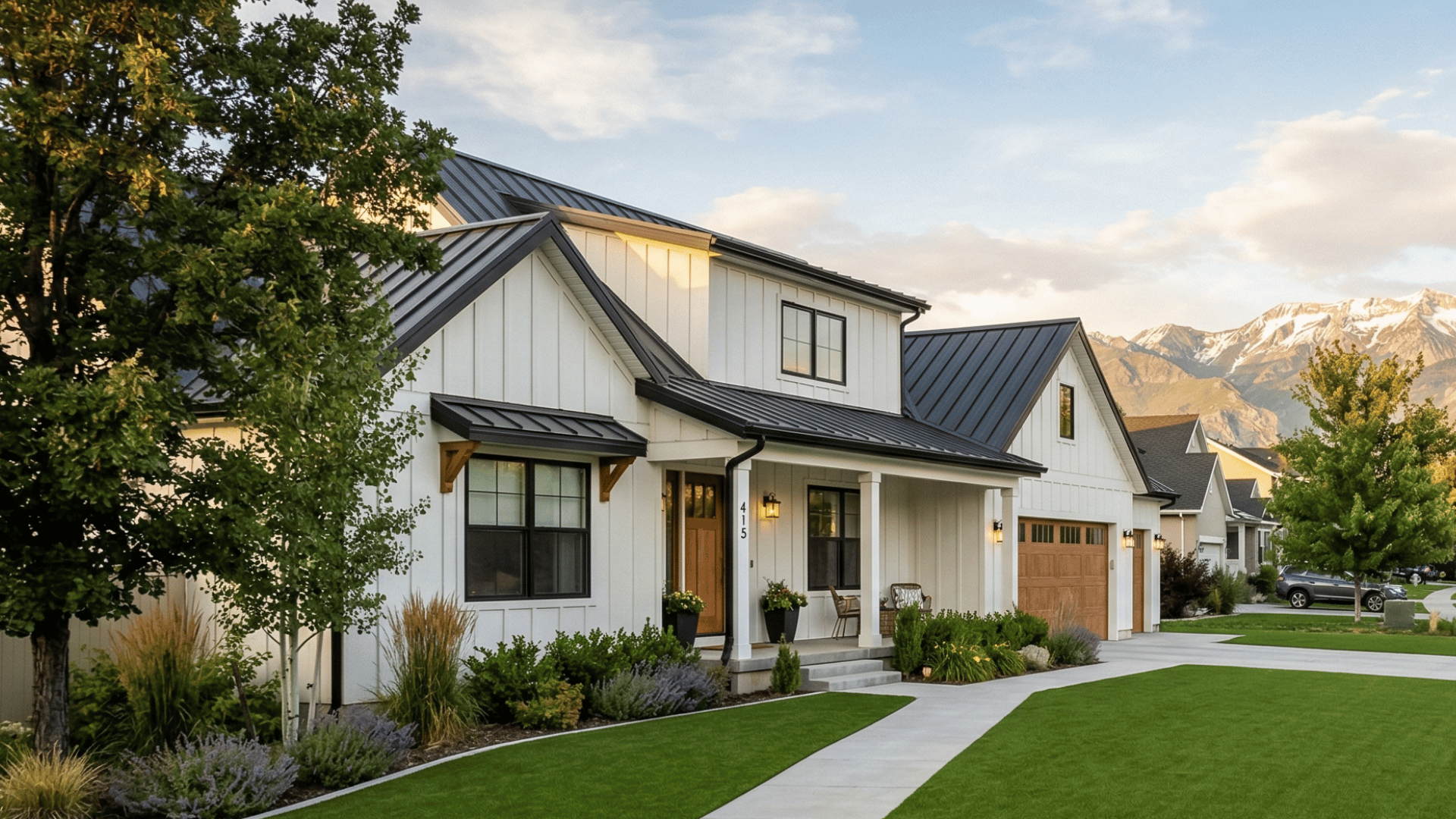
Landscape turf is often used for front yards, backyards, side yards, and decorative green spaces. The goal is a clean, natural appearance with good durability and a finished look.
Installation priorities usually include appearance, edges, base prep, drainage, and how the turf connects to the rest of the landscape.
Pet Turf
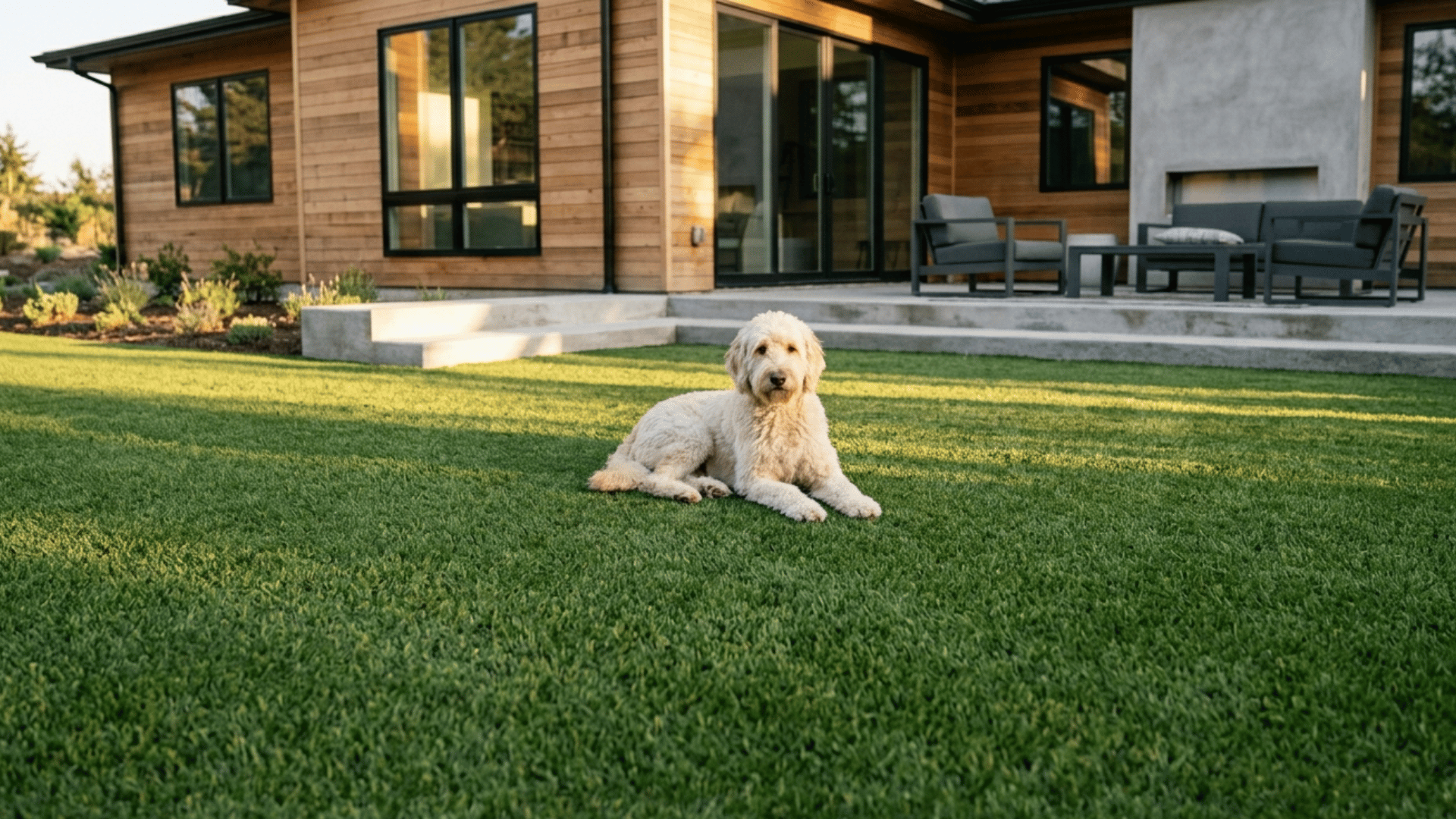
Pet turf needs drainage, odor control, durability, and easy cleaning. The base, infill, and maintenance plan matter as much as the turf itself.
If a dog area is installed like a standard landscape area, it may not perform the way the homeowner expects.
Putting Greens
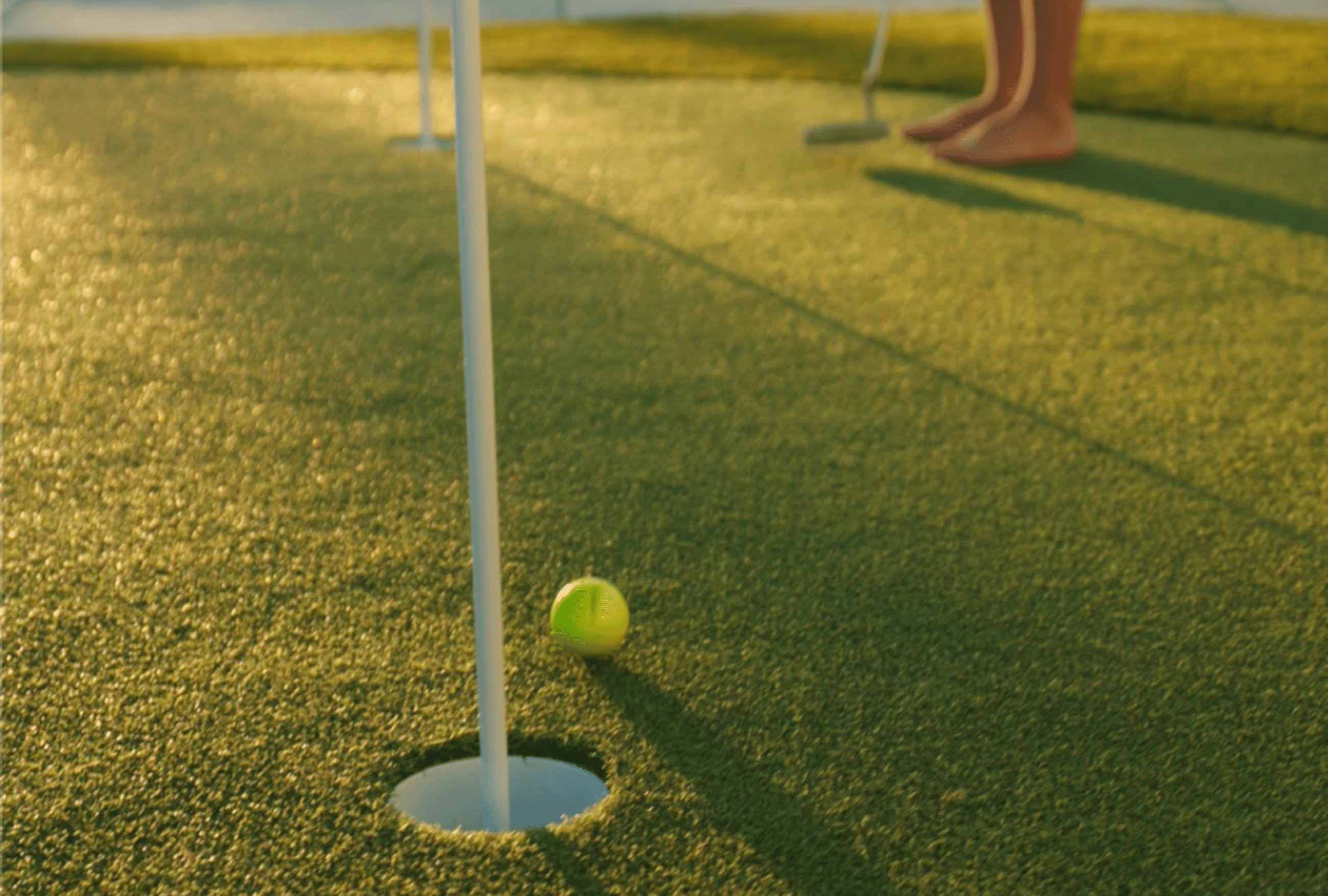
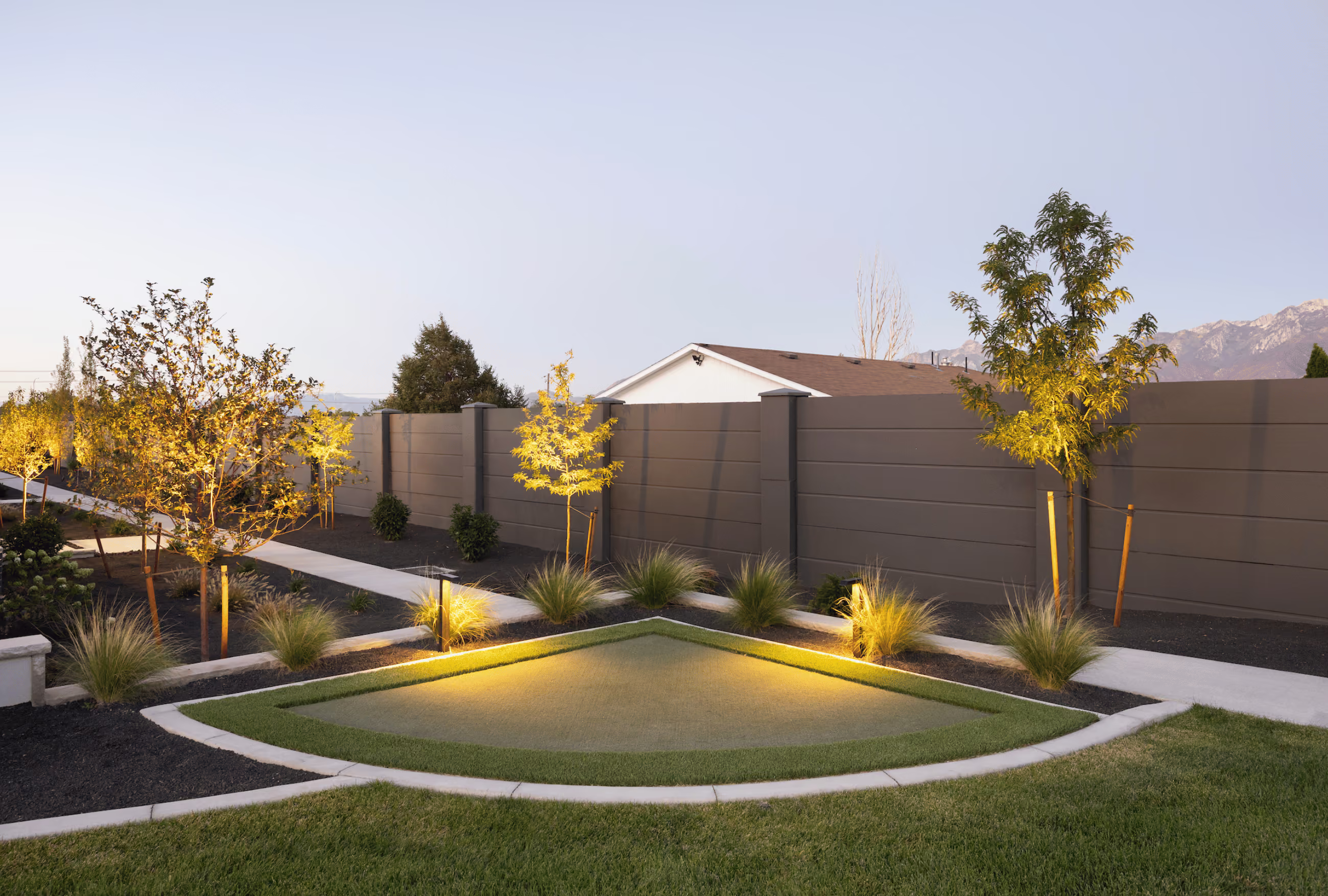
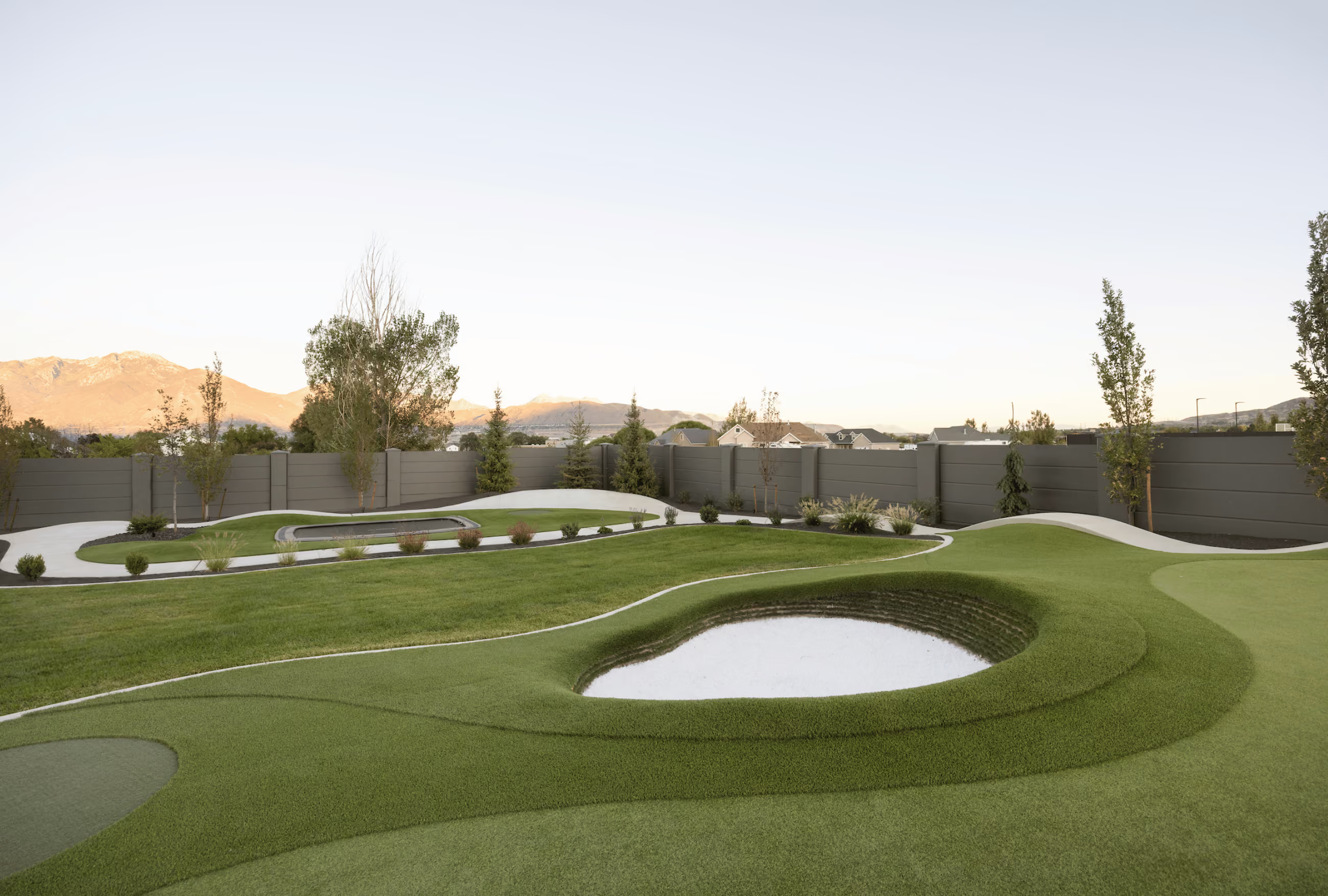
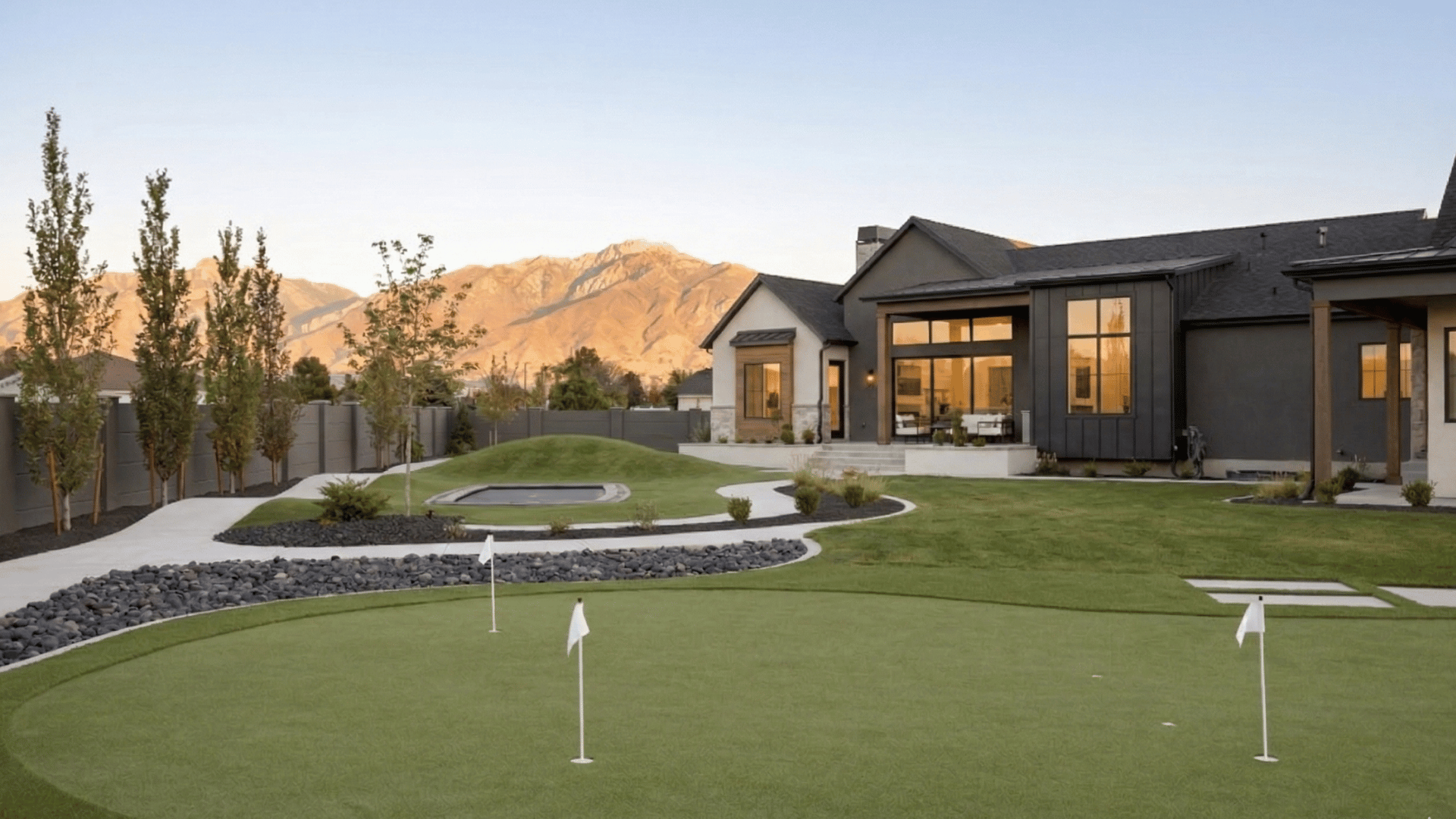
Putting greens require precision. The surface needs to be shaped, graded, rolled, and installed for ball performance.
A putting green is not just landscape turf cut into a golf shape. It requires the right product, base, cups, contours, fringe, and finishing.
Playground Turf
Playground turf needs to be planned for comfort, usability, and safety. Depending on the project, padding and impact considerations may be part of the installation.
Pool Areas
Pool turf needs to handle water, barefoot use, sun exposure, and transitions to pool decking. It should be installed with clean edges and proper drainage.
Side Yards
Side yards are often narrow and awkward. They may need extra attention around grading, drainage, pet use, and transitions to fences or concrete.
Commercial Spaces
Commercial turf projects need to account for traffic, appearance, durability, accessibility, maintenance, and long-term performance.
DIY Turf Installation vs. Professional Turf Installation
DIY turf installation can work for some homeowners, especially on smaller, simpler projects.
If the area is flat, easy to access, not used by pets, and does not require complex seams or drainage, a skilled DIY customer may be able to handle the project with the right turf, tools, and guidance.
But DIY installation can become difficult quickly.
Common DIY challenges include:
• Measuring correctly
• Ordering the right amount of turf
• Choosing the right product
• Removing existing material
• Excavating to the correct depth
• Building the right base
• Compacting properly
• Grading for drainage
• Cutting clean edges
• Hiding seams
• Securing edges
• Choosing and spreading infill
• Avoiding wrinkles and waves
Professional installation is usually the better choice for larger projects, front yards, pet areas, putting greens, pool surrounds, sloped areas, drainage-sensitive spaces, and any project where the final appearance needs to feel premium.
Elite Turf Supply supports both types of customers. If you want full-service installation, our team can help. If you are a DIY customer or contractor, we can help you choose turf and installation materials for your project.
Why Choosing the Right Turf Installer Matters
Choosing the right installer is just as important as choosing the right turf.
Before hiring a turf installer, homeowners should ask questions like:
• Do they understand the type of project you are building?
• Can they explain the base prep process?
• How do they handle drainage?
• What turf product do they recommend and why?
• How do they plan seams and edges?
• What infill will they use?
• Have they installed pet turf, putting greens, or playground turf before?
• Can they show real project photos?
• Do they explain maintenance clearly?
• Is the quote clear about what is included?
• Do they offer warranty information?
A good installer should be able to explain the process in plain language. If the only thing you receive is a square-foot price with no detail, that may be a red flag.
The cheapest installation is not always the best value if it leads to problems later.
Why Homeowners Choose Elite Turf Supply
Elite Turf Supply helps customers choose the right turf product and installation plan for the way the space will actually be used.
We work with homeowners, contractors, landscapers, commercial facilities, sports fields, putting green customers, pet area customers, playground projects, pool areas, and DIY turf customers.
Customers choose Elite Turf Supply because we offer:
• Premium artificial turf products
• Expert product guidance
• Full-service turf installation
• Contractor and landscaper support
• DIY turf supply
• Fast pickup or delivery
• Turf options for pets, putting greens, playgrounds, pools, sports, and landscapes
• Service for Utah and Idaho customers
Our goal is not just to install turf. It is to help you choose the right product, build the right system, and create a finished space that looks good and performs well over time.
The Bottom Line
Professional artificial turf installation matters because it affects how your turf looks, drains, feels, performs, and lasts.
The turf product is important, but the installation is what turns that product into a finished yard upgrade.
If the base is poor, the turf may settle. If drainage is ignored, water or pet odor can become a problem. If seams are planned badly, they may be visible. If edges are not secured, the turf can lift. If the wrong product is used, the space may not perform the way you need it to.
A professional installation helps prevent those problems and gives your project the best chance of looking clean, natural, and long-lasting.
Whether you are building a pet area, putting green, side yard, pool surround, playground, front yard, or full backyard, the right installation plan matters.
Ready to Install Turf the Right Way?
Your turf should look great, drain properly, and hold up for the way your yard is actually used.
Elite Turf Supply can help you choose the right turf product, layout, and installation option for your space.
Get help with:
• Artificial turf installation
• Pet turf installation
• Putting green installation
• Playground turf
• Pool areas
• Side yards
• Front yard turf
• DIY turf supply
• Contractor turf support
Request a free quote today and get expert help from Elite Turf Supply.
Call or text: (385) 248-0577
Visit: EliteTurfSupply.com
Frequently Asked Questions About Professional Turf Installation
Is professional artificial turf installation worth it?
Yes. Professional turf installation is worth it for most homeowners because the finished result depends on base prep, drainage, seams, edging, infill, and product selection.
What happens if artificial turf is installed wrong?
Poor turf installation can lead to drainage problems, wrinkles, uneven surfaces, visible seams, loose edges, pet odor, soft spots, and premature wear.
What goes under artificial turf?
Artificial turf is typically installed over a prepared base system. This may include excavation, base material, compaction, grading, and other project-specific preparation depending on the area and use.
Can I install artificial turf myself?
Yes, some homeowners can install turf themselves on smaller or simpler projects. Professional installation is usually better for large areas, pet turf, putting greens, pool areas, slopes, drainage-sensitive spaces, and premium front yard projects.
Why does turf base prep matter?
Base prep matters because it affects the shape, stability, drainage, and appearance of the turf. A poor base can cause uneven surfaces, low spots, puddling, and premature wear.
Does pet turf need special installation?
Yes. Pet turf should be planned for drainage, odor control, durability, cleaning access, and the number and size of pets using the space.
How do installers prevent turf from wrinkling?
Installers help prevent wrinkles by preparing a stable base, laying the turf correctly, planning the grain direction, securing edges, placing seams properly, and adding the right infill.
How important is drainage for artificial turf?
Drainage is very important, especially for pet areas, pool surrounds, side yards, and spaces that receive heavy use. Poor drainage can lead to puddling, odor, and maintenance issues.
Is the cheapest turf installation a good idea?
Not always. A cheap installation may skip important steps like proper excavation, base prep, compaction, drainage, seams, edging, and infill. Those shortcuts can create bigger problems later.
Who installs artificial turf in Utah?
Elite Turf Supply provides premium artificial turf products, expert product guidance, contractor support, DIY turf supply, and full-service turf installation for Utah and Idaho customers.
.png)