.avif)
.avif)


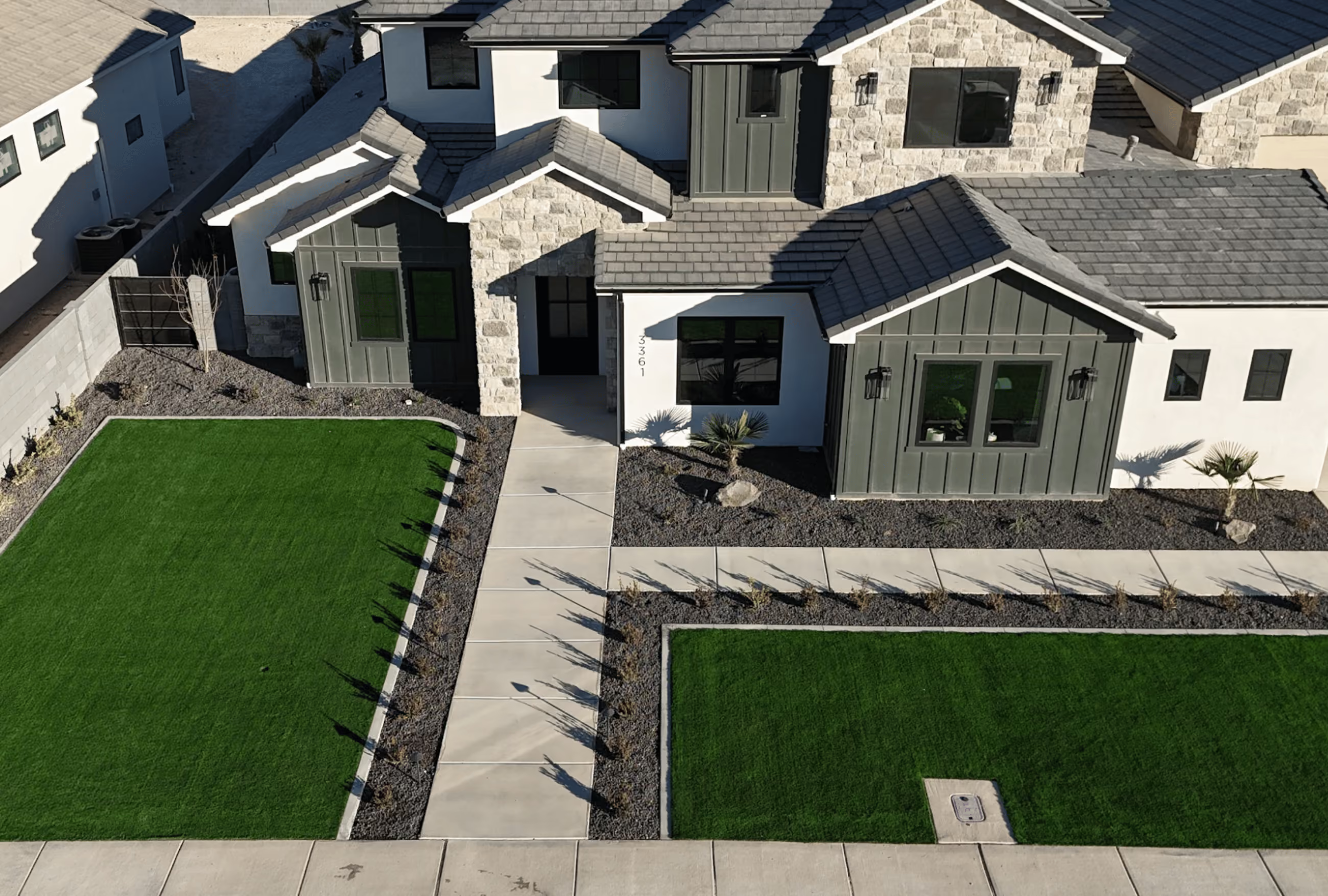
As the construction industry continues to prioritize environmental responsibility, artificial turf is emerging as a compelling solution for projects seeking LEED certification. For developers and contractors in Utah and Idaho, understanding how synthetic grass aligns with sustainable building practices can unlock valuable certification points while delivering long-term environmental benefits.
Understanding LEED Certification and Its Importance in Construction
What is LEED certification?
LEED (Leadership in Energy and Environmental Design) represents the gold standard in green building standards, providing a framework for healthy, efficient, and cost-saving buildings.
What does LEED certification mean for your project?
It signifies measurable environmental performance across key areas, including water efficiency, energy optimization, and sustainable site development.
LEED certification requirements encompass various categories where projects can earn points toward certification levels: Certified, Silver, Gold, or Platinum. The landscaping and site development components offer significant opportunities for artificial turf applications to contribute meaningful points toward certification goals.
How Artificial Turf Supports Sustainable Landscaping Practices
Synthetic grass and sustainable building intersect primarily through water conservation: a critical consideration in Utah's semi-arid climate. Traditional grass lawns require substantial irrigation, often consuming 50-70% of residential water usage. Artificial turf eliminates this demand entirely, supporting LEED's Water Efficiency credits.
Beyond water savings, artificial turf contributes to sustainable building practices by:
- Eliminating the need for harmful pesticides, fertilizers, and herbicides
- Reducing carbon emissions from lawn maintenance equipment
- Minimizing urban heat island effects through advanced cooling technologies
- Supporting stormwater management when properly installed with a permeable backing
Key Environmental Benefits of Using Artificial Turf for LEED Projects
- Artificial turf and sustainability create a powerful partnership when properly implemented. Modern synthetic grass products offer several environmental advantages that align with LEED objectives:
- Water Conservation: A 1,000-square-foot artificial lawn saves approximately 55,000 gallons of water annually—a substantial contribution toward LEED's water efficiency requirements.
- Reduced Chemical Usage: Unlike natural grass, artificial turf requires no fertilizers, pesticides, or herbicides, protecting groundwater quality and reducing environmental contamination.
- Lower Carbon Footprint: Elimination of gas-powered mowers, trimmers, and irrigation systems significantly reduces ongoing carbon emissions throughout the building's lifecycle.
- Durability and Longevity: High-quality artificial turf systems last 15-20 years, reducing replacement frequency and associated environmental impacts.
Achieving LEED Credits Through Eco-Friendly Turf Installations
LEED certification and artificial turf integration require strategic planning during the design phase. Projects can potentially earn points in multiple LEED categories:
Water Efficiency (WE): Artificial turf directly contributes to outdoor water use reduction requirements, potentially earning 2-4 points depending on water savings achieved.
Sustainable Sites (SS): Proper installation with permeable backing systems supports stormwater management objectives while reducing heat island effects through reflective surface technologies.
Innovation in Design (ID): Projects demonstrating exceptional environmental performance through artificial turf applications may qualify for innovation credits.
Important Considerations for LEED Projects
While artificial turf offers compelling sustainability benefits, successful eco-friendly turf installation requires careful consideration of several factors:
- Material Selection: Choose products with recycled content and end-of-life recyclability to maximize environmental benefits.
- Installation Methods: Proper drainage systems and permeable backing materials ensure stormwater management compliance.
- Local Climate: Utah and Idaho's climate conditions make artificial turf particularly effective due to natural water scarcity and temperature extremes.
- Lifecycle Analysis: Consider the complete environmental impact from manufacturing through disposal when evaluating turf options.
- Professional Installation: Working with experienced installers or properly planning your own installation ensures optimal performance and LEED compliance.
Elite Turf Supply understands the complexities of integrating artificial turf into sustainable building practices. Our comprehensive product selection and expert guidance help Utah and Idaho contractors achieve their LEED certification goals while delivering exceptional value to clients.
Ready To Explore How Artificial Turf Can Support Your Next LEED Project?
Contact Elite Turf Supply to discuss sustainable turf solutions tailored to your specific certification requirements and environmental objectives.
.png)