.avif)
.avif)


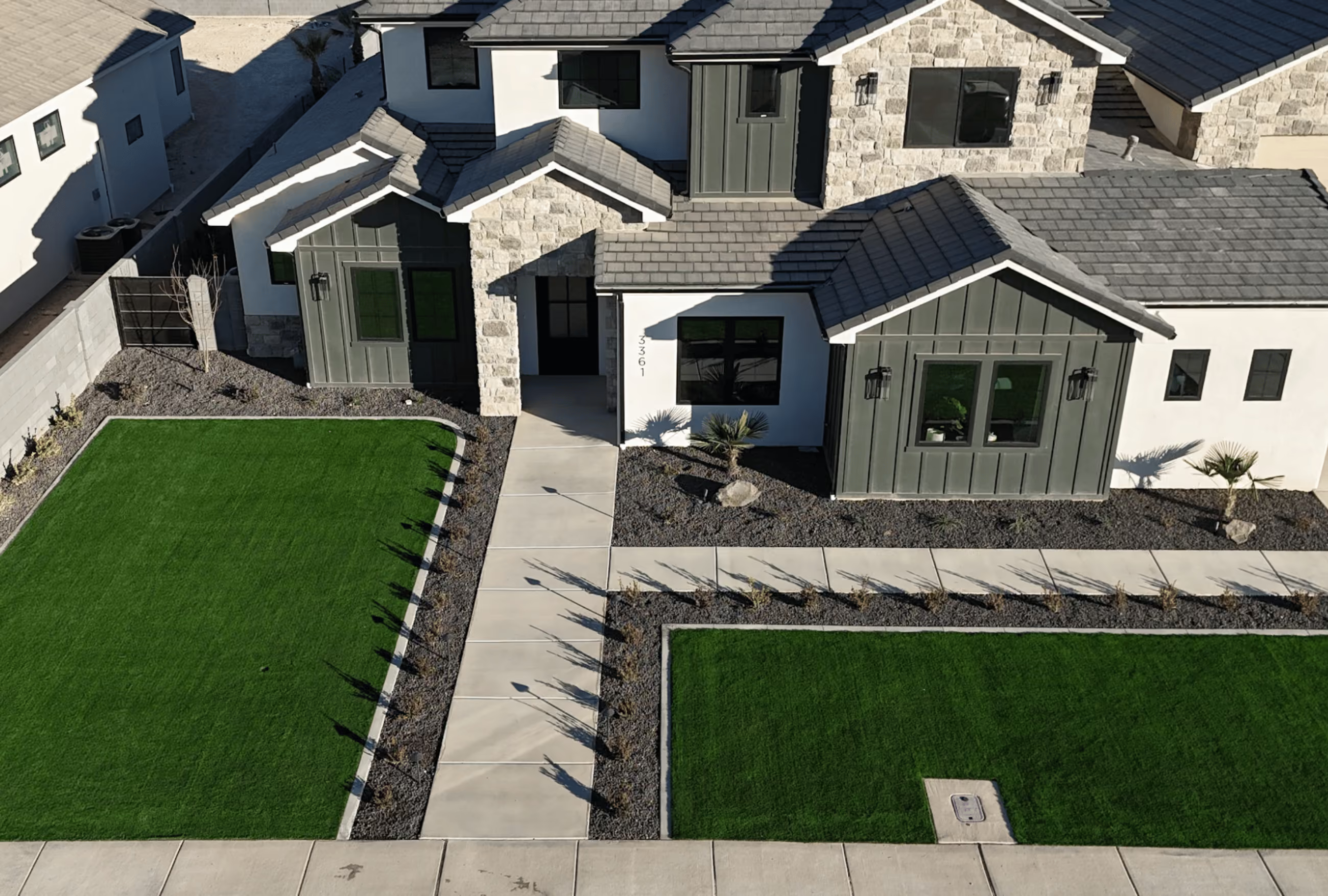
If you're considering artificial turf for your Utah property, you might wonder how it holds up when winter arrives. The good news? Artificial grass in cold climates performs remarkably well, often better than natural grass. This Utah homeowners' guide to artificial turf in winter will help you understand what to expect and how to keep your investment looking great year-round.
Understanding Turf Snow Performance and Winter Durability
Modern artificial turf durability in freezing temperatures is impressive. Quality turf is specifically engineered to withstand temperature extremes, from scorching summer heat to sub-zero winter conditions. Unlike natural grass that goes dormant and turns brown, your artificial lawn maintains its vibrant appearance throughout Utah's winter months.
What makes artificial turf for snowy climates so resilient?
The materials matter. Premium turf uses polyethylene or polypropylene fibers that remain flexible in cold weather. The backing systems are designed with drainage in mind, allowing melting snow and ice to pass through rather than pooling on the surface. At Elite Turf Supply, we carry turf specifically selected for superior turf durability in winter conditions.
How Cold Climate Artificial Grass Handles Snow and Ice
One of the biggest advantages of artificial grass in Utah winters is how effectively it drains. When snow melts, it percolates through the turf backing rather than creating muddy patches like natural grass. This means you'll avoid the brown, soggy mess that typically plagues traditional lawns during Utah's freeze-thaw cycles.
Important considerations:
- Snow takes slightly longer to melt on artificial turf compared to dark soil, since the surface doesn't absorb as much solar heat
- Ice can form on the surface, just as it would on natural grass or pavement
- The turf won't suffer damage from snow cover, even for extended periods
Winter Artificial Turf Maintenance: Essential Artificial Grass Winter Tips
Maintaining artificial turf in snow and ice is straightforward, but there are some best practices to follow:
Safe Snow Removal Methods:
- Use a plastic shovel or snow blower with rubber blades
- Avoid metal shovels that could tear or damage fibers
- Let light snow melt naturally when possible
- For heavy accumulation, remove snow gently without scraping to the base
Turf Ice Tips for Better Traction:
- Never use rock salt or chemical de-icers: these can damage turf fibers and infill
- Apply sand for temporary traction if needed
- Consider pet-safe, turf-safe ice melts designed specifically for synthetic surfaces
- Allow ice to melt naturally when temperatures permit
Preparing Your Turf for Utah's Winter Season
Before winter arrives, take these preventive steps:
- Clear debris like leaves and twigs that could trap moisture
- Ensure drainage systems are functioning properly
- Brush up matted areas to maintain proper blade positioning
- Inspect for any repairs needed before snow covers the surface
The beauty of cold-weather artificial grass is that it requires minimal winter preparation compared to natural lawns: no aerating, no fertilizing, no worrying about dormancy damage.
FAQs
Can you shovel snow off turf without damage?
Yes, but technique matters. Use plastic shovels or brooms rather than metal tools. Shovel gently, lifting snow rather than scraping. For best results, let light snowfall melt naturally and only remove heavy accumulation that poses a safety concern or aesthetic issue.
Does artificial turf crack or stiffen in winter?
Quality artificial turf designed for cold climates remains flexible even in freezing temperatures. The synthetic fibers used in modern turf won't crack or become brittle. However, blades may temporarily stiffen when ice forms on them: this is normal and won't cause permanent damage. Once temperatures rise, the turf returns to its normal texture.
Should I treat icy turf differently from real grass?
The key difference is what you use for de-icing. Never use rock salt or harsh chemical de-icers on artificial turf, as these can break down the fibers and backing materials. If you need traction, use sand or turf-safe ice melt products. Unlike real grass, your artificial turf won't suffer root damage or dead patches from ice coverage, so it's often best to simply let ice melt naturally when possible.
The Bottom Line on Artificial Grass in Cold Climates
While no surface is maintenance-free in winter, artificial turf offers distinct advantages for Utah homeowners. You'll save water year-round, eliminate muddy spring thaw mess, and enjoy a consistently green landscape even when your neighbors' lawns are brown and dormant.
At Elite Turf Supply, our team has helped countless Utah and Idaho property owners select the perfect turf for their climate needs. Whether you're tackling a residential backyard or a commercial project, we're here to share our expertise and ensure you avoid common pitfalls.



.jpg)